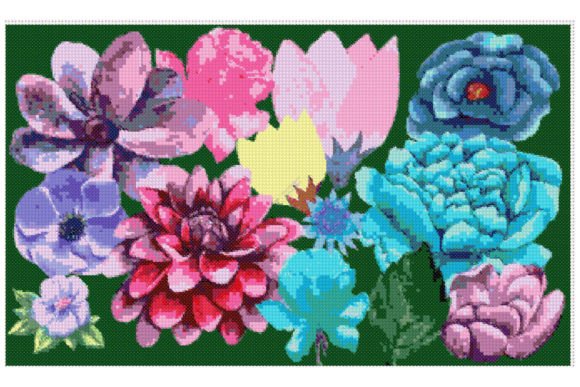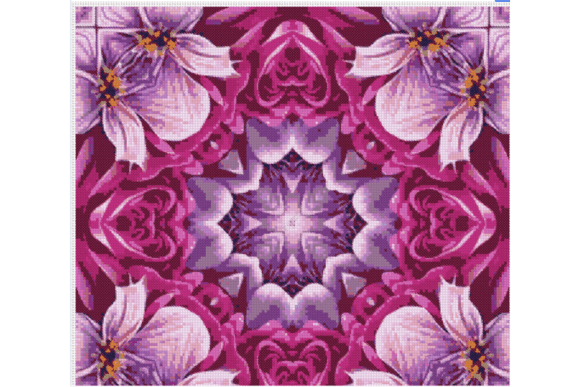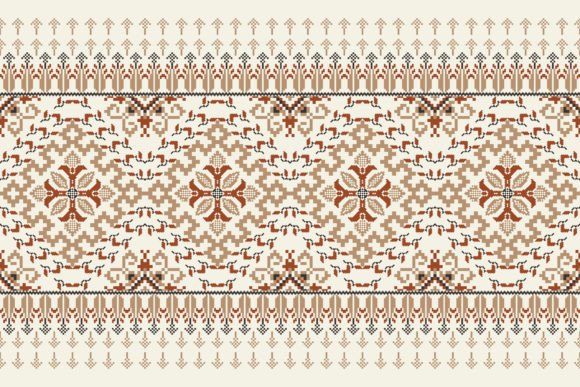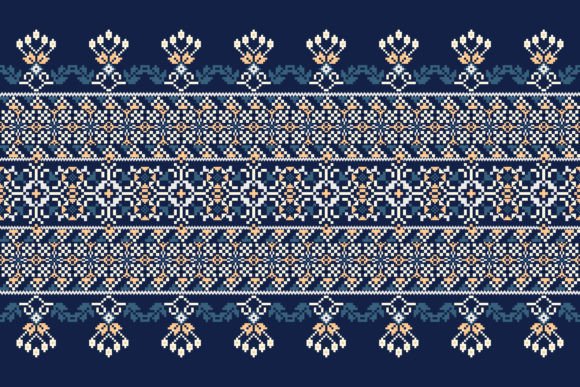
Cross-Stitch Pattern 11
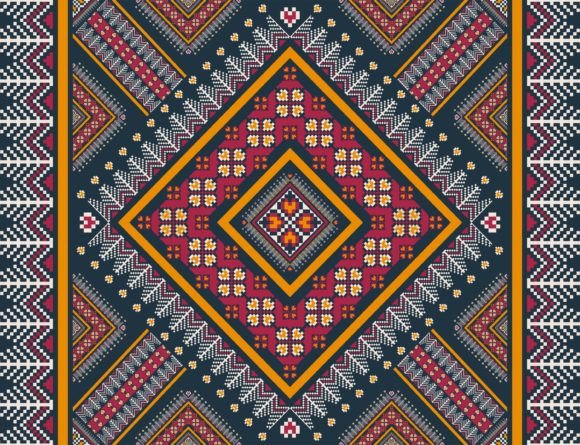
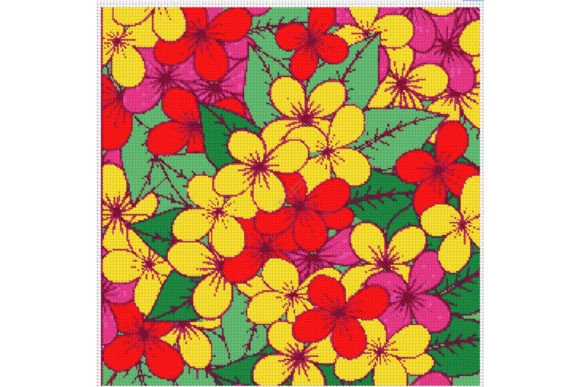
Cross-Stitch Pattern 11 is a standout design that offers a unique blend of intricate detail and visual appeal, making it a strong contender for craft fair products and handmade items. The pattern’s vibrant and detailed nature suggests a world of creativity, perfect for embroidery business owners and Etsy sellers looking to add something special to their collections.
First Impressions: A Bold and Vibrant Design
From the first glance, Cross-Stitch Pattern 11 exudes a sense of vibrancy and intricacy. It feels like a piece that would catch the eye in a crowded booth, whether displayed on a tote bag, apron, or tea towel. The design has a modern yet decorative feel, with elements that could be interpreted as both elegant and whimsical. This versatility makes it a great fit for a variety of handmade products, from rustic farmhouse-style items to more refined, boutique-style pieces.
Performance on Different Products
Cross-Stitch Pattern 11 shines on a range of craft fair products. On a tote bag design, it adds a bold focal point that draws attention. As an apron embroidery, it brings a touch of sophistication without overwhelming the overall look. For tea towel embroidery, the pattern’s detail can create a striking contrast against the fabric, making it a conversation starter in any kitchen.
When used as an embroidered patch, the design works well as a small accent or larger focal point, depending on the size of the patch. Fabric pouches and pillow covers benefit from the pattern’s richness, offering a tactile experience that customers love. Market bags and handmade gifts also gain a premium feel when adorned with this design, enhancing their perceived value.
Photography and Online Appeal
For Etsy sellers and digital sellers, Cross-Stitch Pattern 11 photographs well, especially when captured on neutral backgrounds. The design’s clarity and color contrast make it ideal for printable mockups and commercial embroidery products. When included in an Etsy listing, it can help attract buyers who are looking for unique, high-quality handmade products.
The pattern’s visual complexity also helps it stand out in a competitive marketplace. As a small shop product, it can serve as a key differentiator, helping to build brand consistency and customer recognition.
Practical Selling and Production Points
One of the strengths of Cross-Stitch Pattern 11 is its ease of understanding at a glance. It’s a design that communicates its intent quickly, which is essential for craft fair buyers who often make quick decisions. Whether used as a small accent or a large focal design, it maintains its visual impact without becoming cluttered.
However, there are some practical considerations. The design may have dense stitch areas that require careful handling, especially on thick fabrics or textured towels. Small lettering or intricate details could be challenging on curved surfaces like caps or dark fabrics, where contrast might be lost.
For batch production, the pattern’s repeatability depends on its structure. If the design is consistent and scalable, it can be efficiently produced across multiple items. But if certain sections are too detailed or complex, it may slow down the process and increase material costs.
Careful-Use Notes
Embroidery designers should test Cross-Stitch Pattern 11 on scrap fabric before committing to full production. Checking thread colors against the fabric texture is crucial to ensure the design stands out without appearing washed out. Spacing between elements should be reviewed to avoid overcrowding, which can affect stitch density and overall quality.
Confirming the hoop size required for the design is important, as larger patterns may need multiple hooping sessions. Using the right stabilizer can prevent puckering, especially on delicate or stretchy fabrics. Creating a real mockup before mass production is always a good idea to assess how the design looks in person.
Impact on Visual Appeal and Customer Engagement
Cross-Stitch Pattern 11 enhances the visual appeal of any product it’s applied to. Its intricate details and vibrant colors can elevate the perceived value of a handmade product, making it more attractive to buyers. For craft fair sellers, this means better visibility and higher chances of sales, especially when displayed alongside other items.
The design also supports brand consistency, allowing businesses to maintain a cohesive aesthetic across their product lines. As a booth sample, it can draw customers in and encourage them to explore other items. For creative entrepreneurs, it offers a way to showcase handmade quality while maintaining a professional appearance.
Embroidery Designer Notes
As a professional embroidery designer, I recommend starting with a test run of Cross-Stitch Pattern 11. Check the design assets for any potential issues, such as overly dense areas or tiny details that may not translate well to fabric. Confirm the hoop size and adjust the stitch density as needed to ensure the design looks clean and sharp.
When using a machine embroidery design, pay close attention to the stabilizer type and fabric choice. Some designs may require additional support to maintain their integrity. Always compare fabric colors to the design to ensure the best possible outcome.
Before selling finished products, verify the commercial licensing terms of Cross-Stitch Pattern 11. This ensures that your handmade products can be legally sold at craft fairs, online, or in physical stores. As a digital embroidery file, it offers flexibility but requires proper handling to maintain quality and legality.