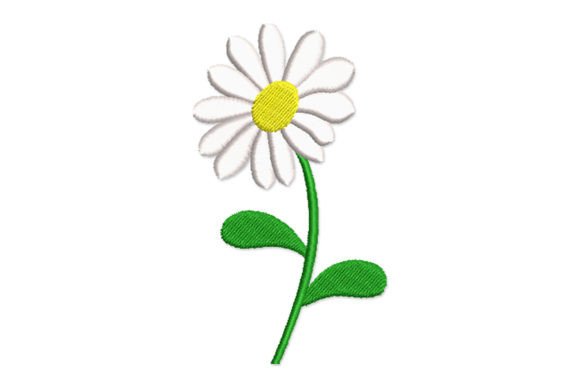
Daisy Flower Embroidery Design
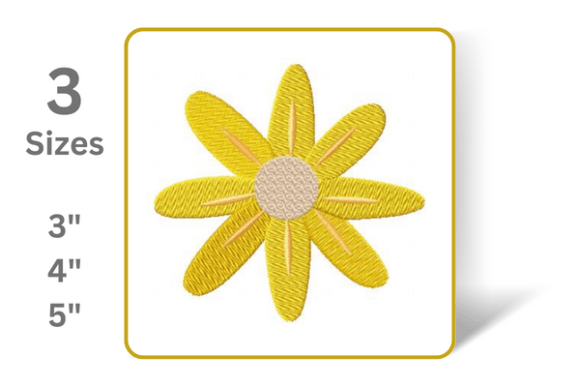
As an experienced embroidery designer, I’ve evaluated countless machine embroidery designs for small business merch, custom apparel, and branded patches. The Daisy Flower design stands out as a versatile and elegant option that can elevate any brand’s visual identity. With its delicate petals and timeless appeal, this single daisy flower is ideal for businesses looking to add a touch of sophistication to their embroidered products.
First Impressions: A Timeless and Elegant Choice
The Daisy Flower design exudes a sense of elegance and simplicity. Its clean lines and soft curves make it feel both professional and approachable. Whether used on a café apron, a boutique tote bag, or a handmade product label, this design conveys a sense of quality and care. It’s not overly decorative, but it has enough detail to stand out without overwhelming the overall look of the item.
From a branding perspective, the Daisy Flower feels like a classic choice that can work across various industries. Its versatility makes it suitable for a wide range of applications, from a floral-themed bakery logo to a pet brand’s embroidered collar. The design’s minimalistic nature ensures it remains relevant over time, making it a smart investment for small business owners.
Real Business Use: From Patches to Tote Bags
This embroidery file is particularly effective when used as an embroidered patch. Its size and structure allow for clear stitching on fabric, making it ideal for staff uniforms, caps, or even custom backpacks. When applied to a cap front, the Daisy Flower adds a subtle yet stylish accent that complements the overall design without drawing too much attention away from the main logo.
On tote bags, the Daisy Flower works well as a background element or a focal point. It pairs nicely with other design elements, such as text or additional motifs, without clashing. For small business merch, this design can be used as a key visual element on product packaging, customer gifts, or event merchandise, reinforcing brand recognition and consistency.
In apron embroidery, the Daisy Flower can serve as a decorative detail on the sleeve or chest area. Its soft appearance aligns well with the aesthetic of many handmade brands and boutique shops. When used on work shirts or uniform tops, it adds a touch of personality while maintaining a professional look.
Where to Use with Caution
While the Daisy Flower is generally adaptable, there are some scenarios where it may not perform as well. At very small patch sizes, the intricate details might become lost in the stitching. This could lead to a less defined finished product, especially if the design is scaled down beyond its optimal size.
On curved surfaces, such as the front of a cap, the design may require slight adjustments to maintain its shape and clarity. High stitch density could also be an issue, as the delicate details may not hold up under frequent washing or heavy use. Additionally, on dark uniforms or textured fabrics, the thread colors may not contrast sufficiently, affecting visibility and overall appearance.
For businesses planning to use this design on items that will undergo frequent laundering, it’s important to test the embroidery file on the intended fabric type. Using the right stabilizer and proper hoop size can help ensure the design remains intact and visually appealing over time.
Impact on Brand Identity and Customer Perception
The Daisy Flower design contributes positively to brand identity by offering a consistent and recognizable visual element. When used across multiple touchpoints—such as merchandise, packaging, and promotional materials—it helps build trust and familiarity with customers. This is especially valuable for small businesses aiming to establish a strong presence in competitive markets.
Its elegant appearance also enhances the perceived value of the finished product. Customers are more likely to view a handmade product or custom apparel as high-quality when it features a well-crafted embroidery design. The Daisy Flower, with its refined details, supports this perception and can increase buyer engagement through its visual appeal.
Practical Designer Notes for Successful Implementation
Before finalizing the Daisy Flower for commercial embroidery projects, it’s wise to test the design in black and white. This allows you to assess how the outlines and spacing appear without the influence of color. Testing at a small patch size is also crucial to ensure the details remain visible and clear.
When selecting thread colors, consider the fabric’s background to ensure sufficient contrast. For example, a light-colored thread on a dark fabric may not show up as expected. Proper spacing between elements is essential to avoid overcrowding, which can affect the overall look of the finished product.
Confirming the correct hoop size and using the appropriate stabilizer are also key steps in achieving a successful result. These factors can significantly impact the quality of the embroidery, especially on delicate or textured fabrics. Creating a printable mockup for client approval ensures that everyone is satisfied with the design before production begins.
Finally, always verify the commercial licensing terms of the digital embroidery file. While the Daisy Flower appears to be suitable for business use, it’s important to confirm that it meets your specific requirements before incorporating it into your product line.
Conclusion: A Versatile Addition to Your Design Assets
The Daisy Flower embroidery design is a reliable choice for small business owners, crafters, and embroidery shops looking to enhance their product offerings. Its elegant and timeless appearance makes it suitable for a wide range of applications, from branded patches to custom apparel. By considering the practical aspects of embroidery execution, you can ensure that this design delivers the desired results every time.
Whether you're creating small business merch, apron embroidery, or tote bag designs, the Daisy Flower offers a balanced mix of style and functionality. With proper testing and implementation, it can become a valuable asset in your collection of design assets, supporting your brand’s visual identity and customer engagement efforts.