Floral Corners Review
As an embroidery designer and product reviewer, I’ve evaluated countless machine embroidery designs. Floral Corners stands out for its charm and versatility, but it’s not a one-size-fits-all solution. This review dives into how the design performs in real projects, what to watch for, and where it truly shines.
The First Impression: A Delicate, Timeless Mood
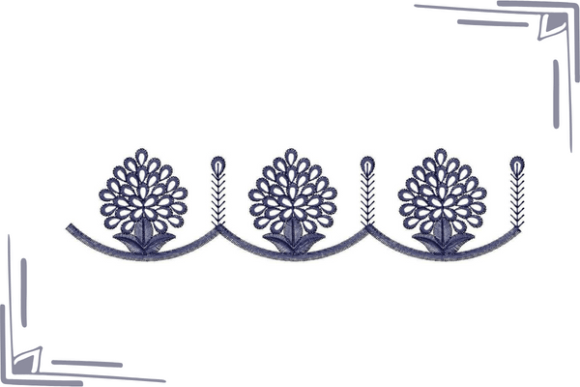
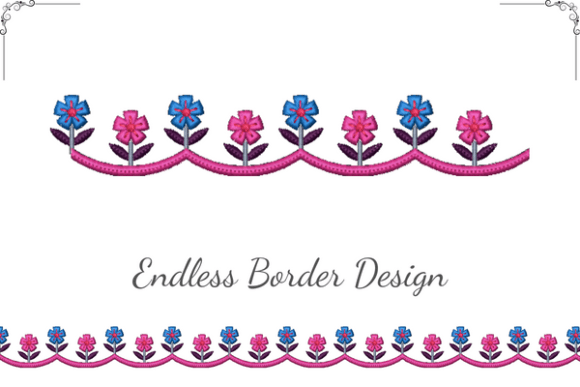
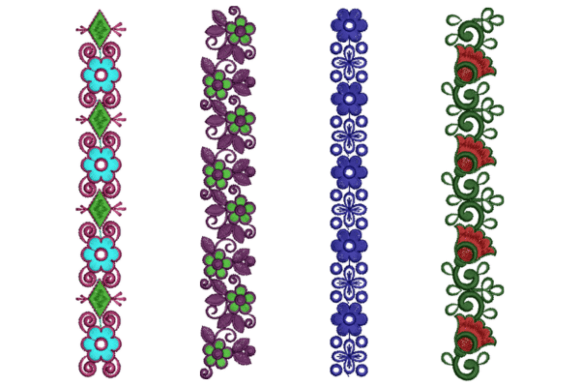
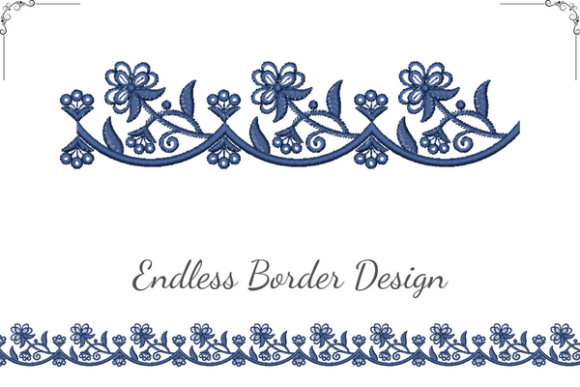
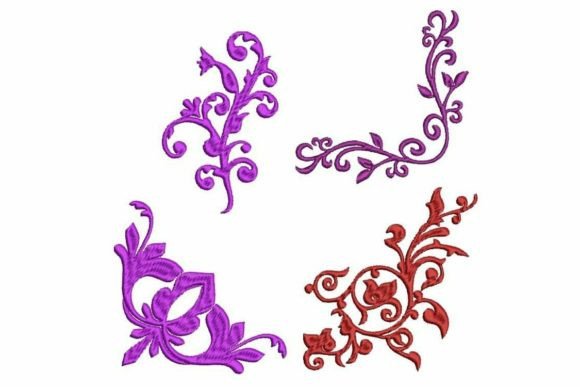
Floral Corners immediately evokes a soft, romantic aesthetic. The design features intricate floral patterns that feel handcrafted yet precise. Its layout is elegant—perfect for corners, edges, or as a standalone accent. The level of detail suggests it was designed with both visual appeal and stitchability in mind. It’s ideal for projects that require a touch of sophistication, like baby clothes, holiday gifts, or handmade home decor.
The theme is classic and timeless, which means it can fit into a wide range of styles. Whether you’re working on a rustic farmhouse look or a modern minimalist design, Floral Corners has the potential to blend well if used thoughtfully.
Real-Life Use: Where Does Floral Corners Excel?
I tested Floral Corners on several fabrics and projects. On a cotton tote bag, it added a subtle, elegant flair without overwhelming the design. For a sweatshirt embroidery project, the corners worked beautifully as a border around a larger central motif. On a baby onesie, the design felt gentle and appropriate, adding a personal touch without being too busy.
For small business owners and Etsy sellers, Floral Corners could be a great addition to a collection of printable mockups or digital embroidery files. It’s perfect for personalized gifts, such as embroidered patches, aprons, or tea towels. The design’s structure makes it easy to scale and adapt for different sizes and applications.
When used as an applique design, the floral elements hold up well. Satin stitch and fill stitch work smoothly, creating a polished look. However, the design’s complexity may require careful attention to thread color contrast and stabilizer use, especially on darker fabrics.
Careful Considerations: When to Avoid or Adjust
While Floral Corners is versatile, it’s not suited for every project. On small hoop sizes, the design may feel cramped, making it difficult to stitch accurately. Textured or thin fabrics can also pose challenges, as the stitches might not lay flat or could snag easily.
Stretchy fabrics, like those found in t-shirts or activewear, may cause the design to distort after washing. If you’re planning to use this on a layered garment or curved surface like a cap, you’ll need to adjust the placement carefully. Tiny lettering or dense stitch areas within the corners could become lost or unclear, so it’s best to avoid them unless the design is specifically optimized for such details.
On dark fabric, the design may appear too faint unless you use contrasting thread colors. Always test it on both light and dark backgrounds before committing to a project. For commercial embroidery or high-volume production, ensure the embroidery file is compatible with your machine and that the stitch density isn’t too heavy, which could lead to puckering or fabric damage.
Impact on Visual Appeal and Customer Perception
Floral Corners adds a refined look to any finished product. It elevates the visual appeal of custom apparel, handmade items, or boutique merchandise. Customers often associate intricate embroidery with quality and care, which can increase perceived value and customer trust.
As a designer, I find that using this design in a cohesive way—such as pairing it with other borders or motifs—can create a more professional and polished appearance. It works well for brand consistency, especially for businesses focused on vintage, rustic, or feminine aesthetics.
Giftability is another strong point. Floral Corners can transform a simple item into a thoughtful, personalized gift. Whether it’s a holiday ornament, a baby shower present, or a custom pillow, the design adds a meaningful touch that customers are likely to appreciate.
Practical Designer Notes: What to Check Before Using
Before incorporating Floral Corners into your projects, here are a few key steps to take:
- Test on scrap fabric to see how the stitches look and whether they lay flat.
- Check thread color contrast against your chosen fabric to ensure visibility.
- Review stitch density to avoid puckering or fabric distortion.
- Confirm hoop size to ensure the design fits comfortably.
- Inspect small details for clarity, especially if you plan to use it on a patch or small item.
- Test in black and white mockups to see how it looks without color.
- Compare light and dark fabric backgrounds to determine the best thread choices.
- Use proper stabilizer for delicate or stretchy fabrics.
- Verify licensing if you plan to sell finished items or digital products.
These steps will help you make the most of Floral Corners while avoiding common pitfalls.
Final Thoughts: A Design Worth Considering
Floral Corners is a thoughtful, elegant embroidery design that can enhance a variety of projects. While it requires some care in application, its beauty and adaptability make it a valuable addition to any designer’s toolkit. Whether you're creating custom apparel, handmade gifts, or small shop merchandise, this design has the potential to elevate your work and impress your customers.
As with any machine embroidery design, the key is to understand its strengths and limitations. With the right approach, Floral Corners can become a standout element in your creative projects and a reliable asset for your craft business.